School life
Classical music meets youth culture
Our 330 students are aged between 8 and 18 and are from all over the world. The campus is a melting pot of different perspectives and ideas – but everyone is bonded by a passion for music. This makes Chetham’s a truly unique and inspirational place to live, learn and make connections. But don’t just take our word for it. Here’s what our students, parents and alumni had to say…
“I think the best thing about Chet’s is the overwhelming sense of community and shared love of music one immediately senses at the school. It’s difficult to feel at all left out when all our endeavours are so encouraged by musical, academic and pastoral teachers like. I don’t think I’ll ever forget the warm and welcoming environment I’ve always felt here!” – a year 12 student
“Without the generous financial and musical support from Chetham’s School of Music I would have never been able to build my career in the UK, and I will be forever grateful for everything the school has given me.” Auguste Janonyte, former student
“Being at Chetham’s has been the best years of his life.” – parent of a Y13 student
HOW IT WORKS
Entry is based solely on musical ability and potential, never on background or ability to pay, thanks to generous bursaries through the Government’s Music and Dance Scheme.
Students are assessed musically by external examiners twice each year and they follow the full UK curriculum, taking GCSE and A-level exams in Years 11 and 13. Every year, students from Chetham’s progress to leading music conservatoires and universities across the world.
For students with additional needs, or with English as an additional language, the Compensatory Education department offers individual support to ensure that every student reaches his or her full potential.
Read on to find out more about school-life or go to our admissions page for more on the application process.
MUSIC
A typical school-day at Chetham’s includes around three scheduled hours of music. There are individual lessons on study instruments, performance classes and ensemble rehearsals as well as aural training, choral work, academic music, community arts programmes, supported practice, composition, and music technology.
A series of inspirational ‘masterclasses’ provide rare behind-the-scenes insights into the craft of professional musicians and emerging artists. There are opportunities to discover and explore new musical avenues, from jazz to composition.
We host hundreds of performances throughout each school year to make sure that everyone here begins playing to an audience early in their journey.
We facilitate students to give back to the local community by performing in care homes, other schools, and public spaces, which is important for personal development.
ACADEMIC
Emphasis is placed on academic excellence, as well as music, and every year our students go on to study a variety of subjects at top universities. Our alumni community includes neuroscientists, journalists, politicians and more.
Academic learning also gives musicians a deeper understanding of the world in which they play, helping them to interpret and explore society through their art.
Our excellent exam results are achieved through small class sizes, a motivated teaching team, and a culture that encourages hard work and high achievement.
WELLBEING
The physical demands placed on young musicians are like those of a highly trained athlete. We run a bespoke Fit to Perform programme to support your mental and physical health. There is a fully equipped gym onsite, specially developed training plans for players of different instruments, and guidance on physical activity and healthy eating from the Junior class upwards.
There is 24-hour support available from professional house parents who lead activities on and off-site, offer guidance, support students’ organisation and domestic needs, or are simply there to listen or talk when its needed.
You’ll experience the buzz of city life and see what Manchester and its surrounding areas have to offer. There are regular organised activities for younger students and free time for older students to go to concerts, get out for a run, or pop for coffee with friends.
Every third weekend, lessons end early so our boarders can go home to catch up with family. Parents share in school life too through regular communications, online portals, and public performances.
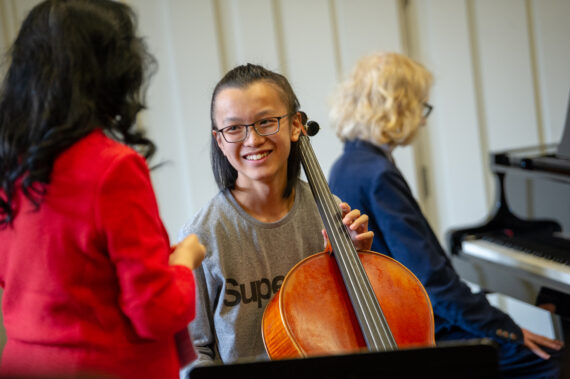
Photograph of delegates from China visiting Chethams Manchester
Credit Vincent Cole 22 May 2023
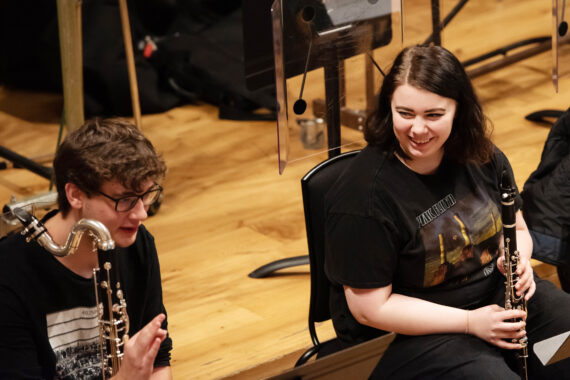
Chethams School of Music
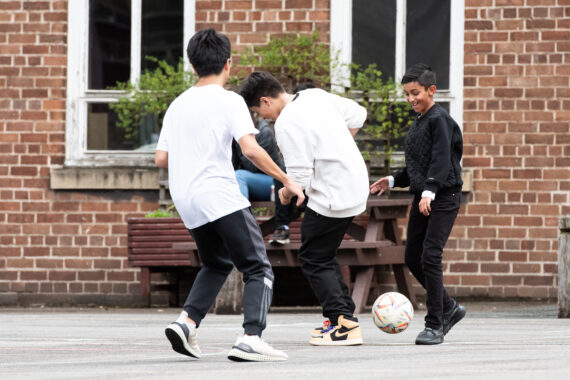
Chethams Summer School 2023
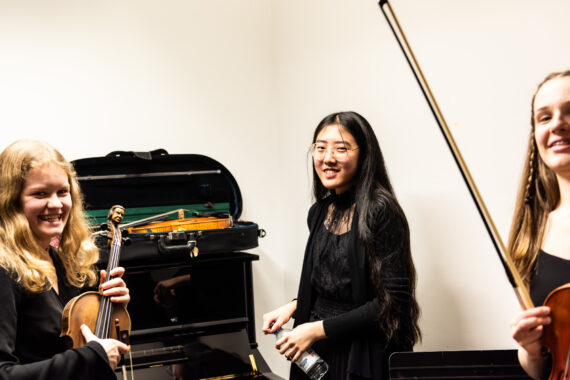
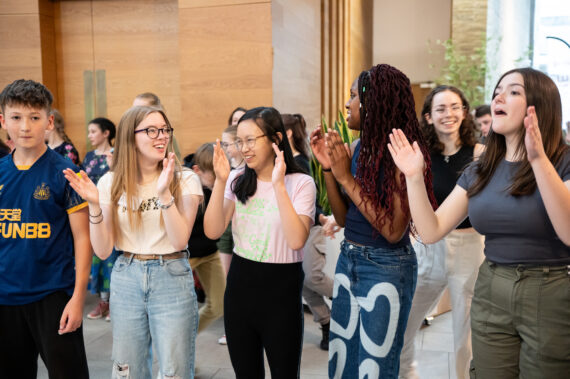
Chethams Summer School 2023
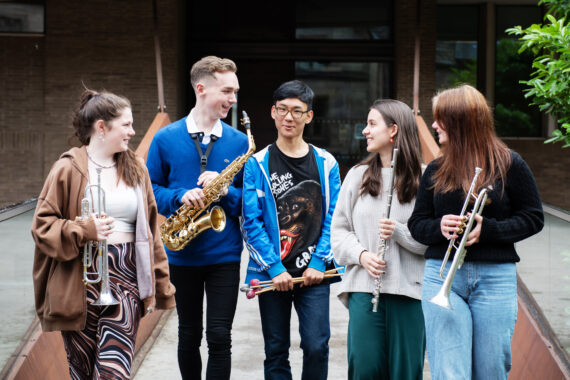
Music Week at Chethams School of Music